What Sets This AC Joint Practice Apart
Dr. Struhl is board certified in orthopedic surgery and holds separate board certification in sports medicine, having trained at the Massachusetts Institute of Technology, the University of California, San Francisco, Montefiore Medical Center, and Penn State University. He serves on the faculty of NYU School of Medicine and as an attending surgeon at NYU Hospital for Joint Diseases. His reconstruction technique earned a United States patent in 2012 and was later assigned to Smith and Nephew, one of the largest orthopedic device manufacturers in the world, and his long term outcomes were published in The American Journal of Sports Medicine. Patients travel from across the country to the Manhattan and White Plains offices for the procedure he developed.
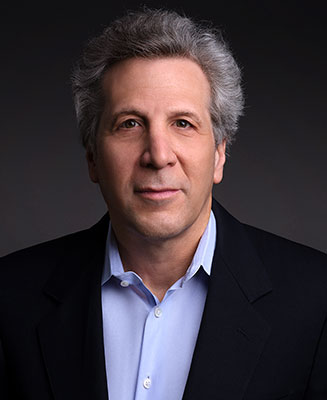
AC Joint Injury Orthopedic Surgeon
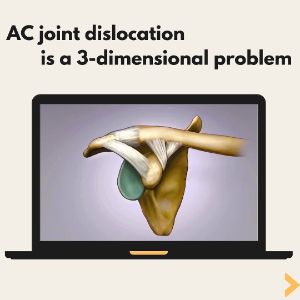
A separated shoulder is among the most frequently underestimated injuries in orthopedics. Patients are often told the visible bump is cosmetic and that the joint will settle on its own, which is true for some injuries and leaves others with a shoulder that aches through every overhead reach and never fully returns.
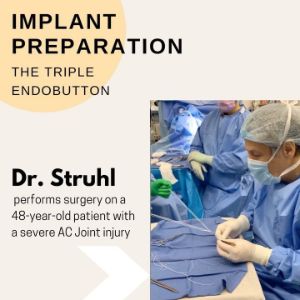
The patented construct rebuilds the torn anchor between the collarbone and shoulder blade using two small titanium buttons joined by a continuous, knotless loop set to a fixed length, placed through a single small incision. Because there is no knot, the two most common ways these repairs fail are removed entirely. Published results followed thirty five patients for a mean of 5.2 years, with some followed as long as twelve years, and reported no infections, no fractures, and no perioperative complications.
An older injury is not a closed door, since twenty six of the thirty five patients in that published study had chronic separations rather than fresh ones and their results were comparable. Patients who were told years ago that nothing more could be done are worth reevaluating. Contact the New York City or Westchester office to schedule an examination with Dr. Struhl.






Getting the Grade Right
Grades one and two typically heal without surgery, grade three sits in the genuine decision zone where reasonable surgeons disagree, and grades four and five generally call for reconstruction. Getting that grade right is not a formality, because a standard shoulder film taken with the arm supported can make a grade three look like a grade two, and that single misread changes the entire treatment path. Evaluation here begins with comparison views, targeted imaging, and a hands on stability examination rather than one image, and Dr. Struhl will say plainly when an injury does not call for surgery.
Quick Links